Pocasa – Powerpoint Template: Build Presentations That Resonate
You have the data. You have the story. But if your slides look flat, cluttered, or disconnected, your message gets lost before the first click. After designing presentations for agency pitches, product launches, and internal strategy decks, I have learned one thing that never changes: the visual container matters as much as the content inside it. A strong template does not just make slides look prettier — it shapes how your audience trusts what you say, where they look, and what they remember. That is exactly where Pocasa – Powerpoint Template enters the conversation.
This template is built for people who need to communicate with clarity and polish without spending hours tweaking alignment or hunting for matching icons. Whether you are pitching a brand identity, reporting quarterly metrics, or presenting a creative portfolio, Pocasa gives you a structured foundation that keeps the focus on your message.
Why Your Next Presentation Deserves a Thoughtful Foundation
A presentation is more than a sequence of slides. It is a performance. Every slide should guide the viewer’s eye, reinforce your key points, and maintain a consistent tone from start to finish. When you use a generic template or start from scratch, you risk visual inconsistency — mismatched colors, inconsistent spacing, and a general sense that the deck was thrown together. That creates friction for your audience. They spend mental energy decoding the layout instead of absorbing your message.
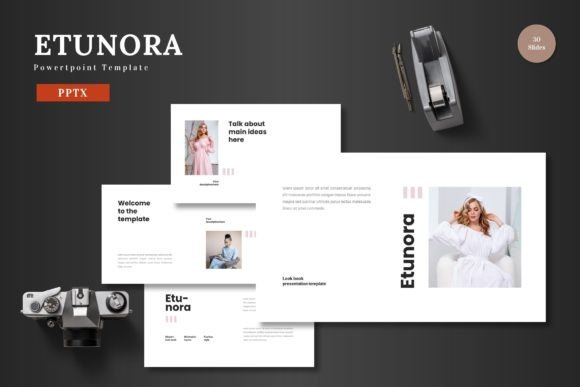
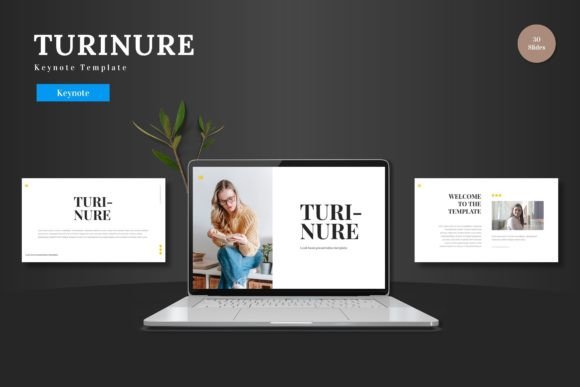
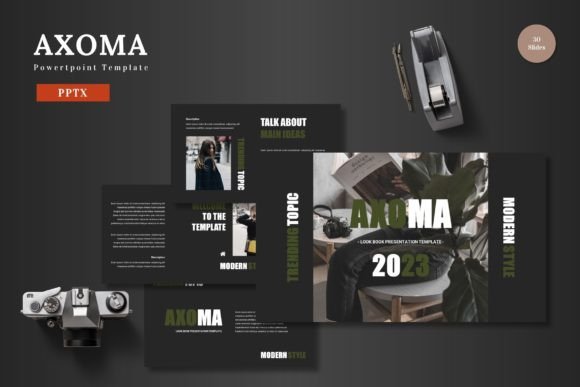
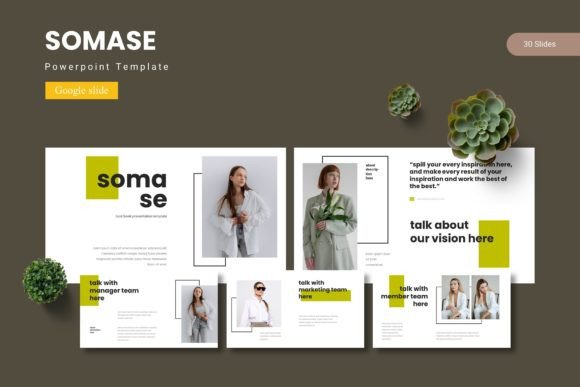
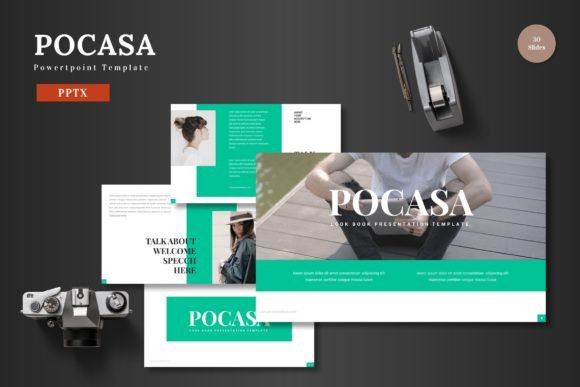
Pocasa – Powerpoint Template solves that problem by providing 150 total slides organized across 5 pre-made color schemes. Each color variation contains 30 slides, so you get a complete ecosystem for one palette. That means you can build a full deck without ever searching for a slide type that does not exist. You get section breaks, infographics, gallery layouts, portfolio pages, and picture placeholders that let you drop in your visuals without resizing or cropping manually.
The template uses master slides, which is a small technical detail that makes a big practical difference. When you edit a master slide, every slide linked to it updates automatically. That saves you from the tedious work of updating headers or footers one slide at a time. For anyone who regularly builds presentations — marketers, designers, entrepreneurs, content creators — that workflow efficiency alone is worth the investment.
A Closer Look at What Pocasa Brings to the Table
The first thing you notice when you open this template is the clean, modern aesthetic. The layouts feel spacious without being empty. The typography choices lean toward professional and legible, with enough contrast between headings and body text to establish a clear visual hierarchy. The handcrafted infographics are not generic clip art. They feel intentional and custom, which helps your data look credible rather than borrowed.
Every graphic and illustration is resizable and editable. That is a detail I always check because many templates lock elements or use raster images that pixelate when scaled. Pocasa uses pixel-perfect vector-based graphics, so you can enlarge a diagram for a full-slide impact or shrink an icon to fit a corner without losing quality.
The gallery and portfolio slide layouts are especially useful for creative professionals. Photographers, designers, architects, and agencies can showcase work samples in a way that feels curated rather than chaotic. The picture placeholders use a drag-and-drop system, so you do not need to fiddle with masks or crop settings. You drop an image in, and it fits perfectly within the designed frame.
The 5 color variations give you flexibility without forcing you to start from zero. You can choose a scheme that matches your brand palette or pick one that complements the tone of your content. Warm tones work well for lifestyle and creative projects, while cooler, more neutral schemes fit corporate and tech audiences. You can also mix elements across colorways if you prefer a custom hybrid, but each standalone scheme is complete enough to use as-is.
Where Pocasa Shines Across Projects and Industries
The versatility of this template comes from its balanced structure. It is formal enough for boardroom presentations but flexible enough for creative portfolios and social media content. Here are a few scenarios where I have seen similar templates perform exceptionally well.
- Brand identity presentations. When you pitch a brand to a client, every slide should reflect the brand’s personality. Pocasa’s clean layouts and editable graphics let you insert brand colors, logos, and imagery without fighting the template. The section break slides work well for delineating stages of a brand story — research, strategy, visual identity, applications.
- Marketing strategy decks. Marketers need to present data in a way that tells a story. The handcrafted infographics in Pocasa allow you to visualize market trends, campaign performance, and audience insights without resorting to default chart styles. The layouts keep text concise and visuals prominent, which aligns with how busy stakeholders prefer to consume information.
- Portfolio and gallery presentations. For photographers, designers, and artists, the gallery slides are a standout feature. You can present a body of work in a clean grid or staggered layout that lets the images breathe. The picture placeholders maintain consistent aspect ratios, so your portfolio looks polished rather than patchy.
- Internal training and onboarding. If you create onboarding materials or training modules, consistency matters for credibility. Using the same template across modules builds a recognizable visual language that helps learners navigate content more easily. The master slide functionality ensures dates, titles, and page numbers stay uniform across dozens of slides.
How Design Consistency Influences Perception and Engagement
Every time you present, you are building or eroding trust. Consistency in layout, color, and typography signals that you have prepared thoroughly and that you respect your audience’s time. When slides look cohesive, the viewer subconsciously attributes that organization to the quality of your ideas. Inconsistent slides create the opposite effect — they make the content feel less reliable, even if the data is sound.
Pocasa – Powerpoint Template supports brand identity by giving you a framework that reinforces visual repetition. The same heading style, bullet treatment, and icon language appear throughout the deck. That repetition creates a rhythm that helps viewers process information faster. They know where to look for the main point, where supporting visuals will appear, and where to find context cues like section titles.
For small business owners and entrepreneurs, this professional consistency can elevate a presentation from looking like a side project to looking like a established brand. You do not need a design team to achieve that effect. You just need a template that does the structural work for you.
Practical Tips for Choosing the Right Template for Your Work
Not every PowerPoint template fits every project. Here are a few practical criteria I use when evaluating a template like Pocasa for a specific need.
- Assess the slide variety. Check whether the template includes the specific slide types you use most. If you frequently present data, look for infographic and chart layouts. If you present portfolios, prioritize gallery and image-heavy slides. Pocasa offers 30 slides per color scheme, so you get a broad range without unnecessary duplication.
- Test the editability. Open the template and try resizing a graphic or swapping an image. If elements break or distort, the template will slow you down. Pocasa uses pixel-perfect, resizable graphics that hold up during editing. That is a practical advantage when you are working under a deadline.
- Consider the color flexibility. A template with multiple color schemes saves you from having to rebuild a color palette from scratch. Pocasa includes 5 pre-made color variations, which gives you options for different brand contexts or presentation tones. You can also use one scheme as a base and tweak individual colors without breaking the overall look.
- Review the file structure. The main file includes 5 PPTX files, one for each color scheme. Each file contains 30 slides. This organization makes it easy to start working immediately without sorting through hundreds of mixed slides. The folder also includes a Readme file with font and photo information, which is helpful if you need to source matching assets.
- Check the readability under different conditions. A template that looks good on your monitor might feel different when projected in a large room. Test slides with heavy text or dense infographics to ensure they remain legible at a distance. Pocasa’s layouts prioritize generous spacing and clear typography, which supports readability in both digital and projected formats.
Real-World Examples of Pocasa in Action
Imagine a content creator pitching a sponsored partnership proposal to a brand. They need to show audience demographics, past campaign results, and creative concepts. Using Pocasa, they can start with a brand-colored cover slide, move into a section break for audience insights, present data with infographic layouts, and close with portfolio-style slides showing previous collaborations. The entire deck feels cohesive and professional without requiring custom design work for each slide.
Or consider a small business owner preparing an investor update. They have financial data, growth metrics, and strategic milestones to share. The infographic slides let them transform raw numbers into visual stories that support their narrative. The consistent layout across slides helps investors focus on the numbers and strategy rather than getting distracted by shifting design elements.
For a design agency presenting a rebrand proposal, the gallery slides become a showcase for mood boards, visual explorations, and final logo concepts. The editable graphics allow the team to incorporate their own iconography and visual language while keeping the underlying structure clean and professional. The result is a presentation that looks like a custom-built deck, not a template.
Making Template Work for Your Process
Templates are tools, not crutches. The best ones adapt to your workflow instead of forcing you into rigid patterns. Pocasa – Powerpoint Template respects that by giving you structured layouts that still leave room for your creative choices. You can customize colors, swap fonts, rearrange content blocks, and layer in your own assets without fighting the template’s architecture.
When you choose a template, you are choosing a starting point for your visual communication. A thoughtful starting point saves you time, reduces friction, and helps your audience focus on what matters. Whether you are a marketer preparing a campaign report, a designer presenting a portfolio, or an entrepreneur pitching your next venture, the right template amplifies your message rather than competing with it.
Pocasa delivers that balance. It offers enough variety to cover different presentation needs while maintaining a cohesive visual language that makes every slide feel part of the same story. For anyone who regularly builds presentations and wants to spend less time formatting and more time communicating, it is a practical, reliable choice.